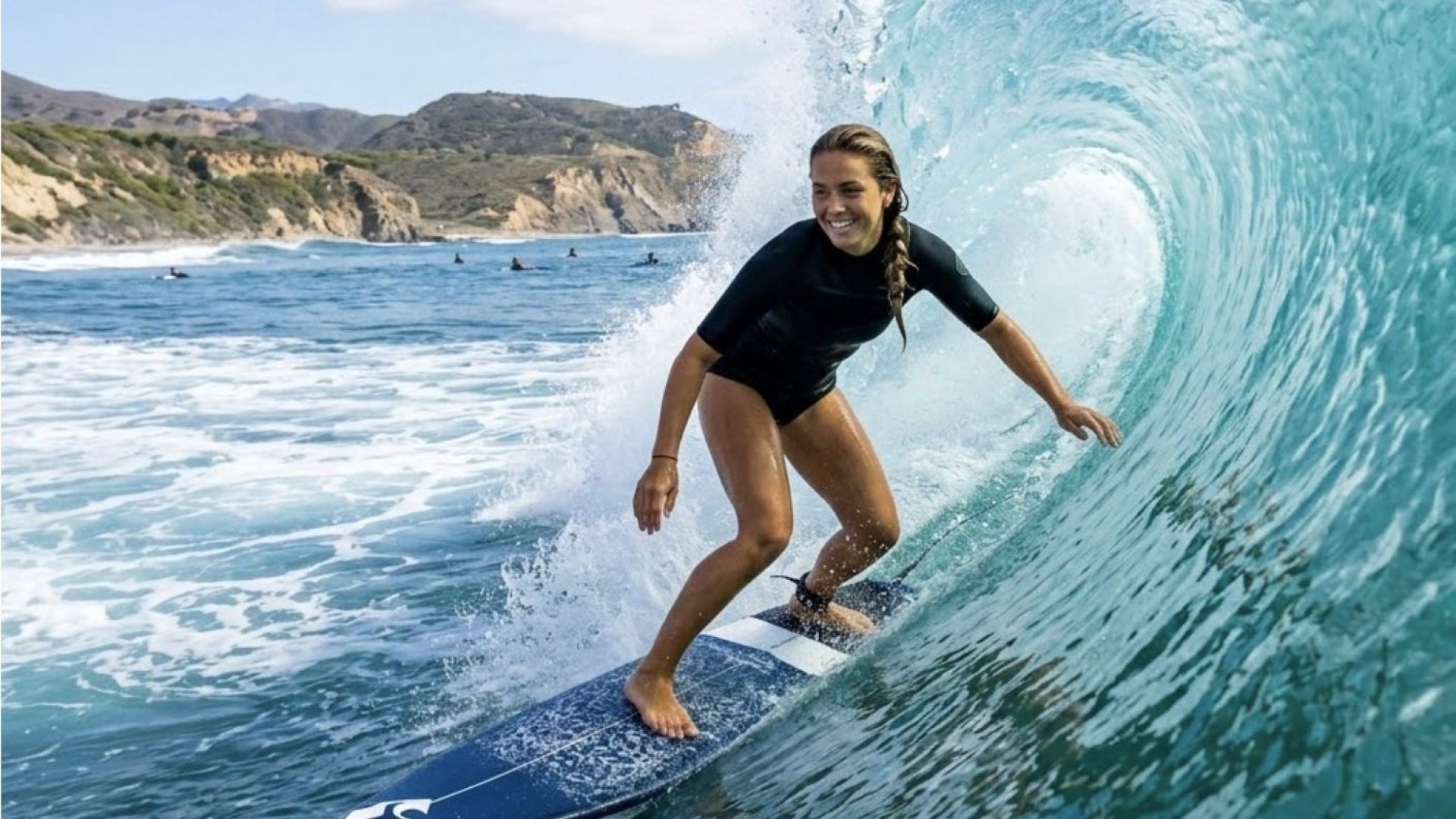
There is a universal romanticism attached to surfing. We often imagine ourselves effortlessly gliding across a glassy turquoise wave, sun-kissed and exuding pure cool. This dream draws thousands of eager beginners to coastlines every single year. However, reality quickly hits—usually in the form of a salty blast straight up the nose and a mouthful of sand. Learning to surf is one of the most humbling, exhausting, yet exhilarating endeavors you can undertake. It is less about conquering the ocean and far more about learning to dance with its power.
Step 1: Groundwork on Land
Before you even touch the water, your journey begins on the beach. Do not skip this step; practicing your "pop-up" on dry sand saves hours of frustration later. For beginners, a large, thick foam board, known as a "soft-top," is your best friend. It provides the stability and buoyancy required to catch small waves, and it hurts much less if it hits you. On the sand, practice transitioning from lying prone to a standing stance in one fluid motion. Place your hands flat next to your ribs, push up, and swing your feet underneath you. Keep your knees bent, your body loose, and your gaze fixed firmly forward.
Step 2: The Art of the Paddle
Once in the water, you will quickly realize surfing is 90% paddling and 10% riding. Paddling requires incredible core strength, shoulder endurance, and proper body positioning. If you lie too far back, the board’s nose pitches up, creating massive drag. If you are too far forward, you will "pearl," nose-diving straight down. Finding that sweet spot is absolutely key for smooth paddling.
As a beginner, target the "white water"—the broken, foamy waves closer to shore. They possess plenty of momentum to push your board without the intimidating drop of an unbroken wave. Always respect ocean etiquette, give others plenty of space, and never let go of your board.
Step 3: The Pop-Up and Ride
When a wave approaches, paddle hard to match its speed. When you feel the tail of your board lift and the wave takes over, give two more strong paddles. This is the moment of truth. Pop up quickly but smoothly. Keep your center of gravity low, your feet shoulder-width apart, and your arms out for balance.
Feel the board cutting through the moving water as you glide. You will fall frequently. Wiping out is a completely integral part of the learning process. The key is to protect your head with your arms when you resurface, retrieve your board safely, and then try again without losing confidence.
The Reward of "The Stoke"
The first time you successfully stand up and ride, even for a few seconds, everything changes. The intense physical exhaustion evaporates, replaced by an electric rush of pure joy—a feeling surfers call "the stoke." This magical, addictive moment makes every single bruise and wipeout entirely worth it. It connects you to nature in a profound, unfiltered way. Surfing teaches resilience, patience, and absolute mental presence. You cannot force the ocean to cooperate with your schedule; you can only wait, watch, and be ready when the right wave finally arrives to carry you forward.